
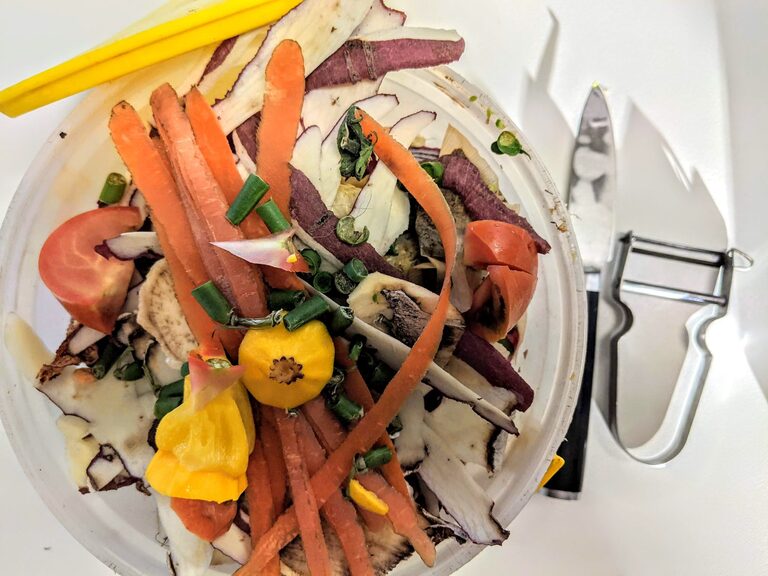
Reducing food waste at home is a smart way to save money, conserve resources, and protect the environment. Every year, millions of tons of food end up in landfills, contributing to greenhouse gas emissions and wasting valuable resources used to produce that food. Fortunately, small changes in your daily routines can make a big difference. In this post, we’ll explore practical ways to reduce food waste in your household.
Why Reducing Food Waste Matters
Food waste has significant environmental and economic impacts. Producing food requires water, energy, labor, and land. When food is thrown away, all these resources are wasted as well. By minimizing food waste, you can:
– Save money by buying and using food more wisely
– Reduce your household’s environmental footprint
– Help reduce the demand on landfills
– Encourage more sustainable food habits
Now, let’s look at some easy ways you can start reducing food waste at home.
Plan Your Meals and Shop Smart
Make a Weekly Meal Plan
One of the best ways to avoid food waste is to plan your meals in advance. By knowing what you intend to cook each day, you can buy only what you need and avoid impulse purchases that may go unused.
– Write down your meals for the week
– Check your pantry and fridge before shopping
– Buy ingredients in quantities that match your plan
Create a Detailed Shopping List
Once your meals are planned, make a shopping list that reflects exactly what you need. Stick to this list to prevent buying items you won’t use.
– Include quantities to avoid overbuying
– Prioritize perishable items for early use
Shop with a Full Stomach
Shopping when you’re hungry can lead to buying unnecessary foods that might spoil.
Store Food Properly
Proper storage extends the life of your food and reduces spoilage.
Use Airtight Containers
Transfer perishable items such as leftovers, cut fruits, and vegetables into airtight containers to keep them fresh longer.
Know How to Store Different Foods
– Keep leafy greens in a damp paper towel inside a perforated bag.
– Store fruits like apples and bananas separately to avoid premature ripening.
– Use your fridge’s vegetable drawer for produce that requires humidity.
Label Leftovers
Write the date on containers to keep track of how long food has been stored.
Practice Portion Control
Sometimes food waste happens because we serve or cook more than we can eat.
Serve Smaller Portions
Start with smaller servings. You can always go back for seconds if you’re still hungry.
Use Leftovers Creatively
Transform leftovers into new meals rather than tossing them.
– Use leftover vegetables in soups or stir-fries.
– Turn stale bread into croutons or breadcrumbs.
– Blend overripe fruits into smoothies or baking recipes.
Manage Expiration Dates Smartly
Understanding expiration dates helps prevent throwing away food prematurely.
Know the Difference: "Best By," "Use By," and "Sell By"
– “Best By” indicates quality, not safety.
– “Use By” is the last date recommended for consumption.
– “Sell By” guides retailers, not consumers.
Rotate Your Pantry and Fridge Stock
Place newer items behind older ones to use the oldest food first.
Compost Food Scraps
Even with careful planning, some food scraps are unavoidable.
Start a Compost Bin
Composting food scraps like vegetable peels, coffee grounds, and eggshells enriches soil and reduces landfill waste.
Learn What Can Be Composted
Avoid adding meat, dairy, and oily foods to compost bins.
Educate Your Household
Getting everyone on board makes reducing food waste easier.
Involve Family Members
Teach family members about food waste and how to reduce it.
Make Waste Reduction a Habit
Encourage mindful eating, proper storage, and leftover usage.
Summary
Reducing food waste at home is achievable with simple changes like planning meals, proper storage, portion control, and composting. These steps not only save money but also contribute to a healthier planet. Start small, and over time, these habits will become a natural part of your routine.
By taking responsibility for the food you bring into your home, you can make a positive impact on the environment and your budget. Give these tips a try and enjoy the benefits of less waste and more mindful eating.