
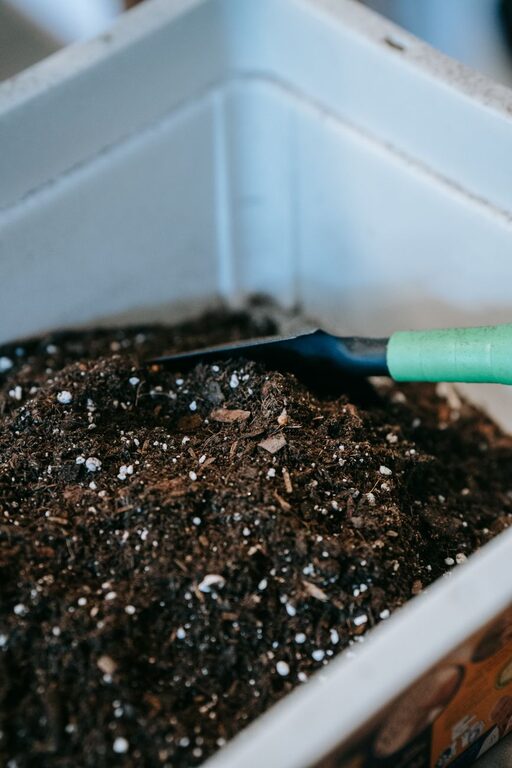
Composting is a fantastic way to reduce household waste and create nutrient-rich soil for your garden. If you’re new to composting, it might seem a bit overwhelming at first, but with the right approach, it can become a simple and rewarding habit. This guide offers beginner-friendly tips to help you start composting at home successfully.
Why Compost at Home?
Before diving into the how, it’s important to understand the why. Composting helps:
– Reduce the amount of organic waste sent to landfills
– Enrich soil with valuable nutrients
– Improve soil moisture retention
– Support sustainable gardening practices
By turning kitchen scraps and yard waste into compost, you’re recycling natural materials and contributing to a healthier environment.
Getting Started: Choose Your Composting Method
There are several ways to compost at home, depending on your available space and preferences.
1. Traditional Compost Bin
A compost bin is a container—usually made from plastic or wood—that holds your composting materials. It helps keep the compost tidy, retains heat, and speeds up decomposition.
– Good for yards or gardens
– Available in many sizes
– Can be purchased or DIY
2. Compost Pile
If you have ample outdoor space, you can simply start a compost pile in a corner of your yard.
– Requires no container
– Easy to add materials
– May attract pests if not managed properly
3. Worm Composting (Vermicomposting)
Using worms to break down organic waste is ideal for indoor composting and small spaces.
– Perfect for apartments or limited outdoor space
– Produces nutrient-rich worm castings
– Requires a worm bin and red wiggler worms
What Materials Can You Compost?
Successful composting depends on a good balance of materials. These are generally categorized as “greens” and “browns.”
Greens (Nitrogen-rich)
– Vegetable and fruit scraps
– Coffee grounds and filters
– Fresh grass clippings
– Tea bags (without synthetic material)
Browns (Carbon-rich)
– Dry leaves
– Straw or hay
– Shredded newspaper or cardboard
– Wood chips or sawdust (untreated)
What to Avoid
– Meat, dairy, and oily foods (attract pests)
– Diseased plants or weeds with seeds
– Pet waste
– Non-biodegradable materials like plastics
Steps to Start Composting
1. Set Up Your Compost Area
Choose a dry, shady spot near a water source if possible. If using a bin, assemble it according to instructions.
2. Add Materials Gradually
Start with a layer of browns to help air circulate. Then add greens and alternate layers.
3. Maintain Moisture
Compost should feel like a damp sponge—not too dry or soggy. Water occasionally to keep it moist.
4. Turn the Pile
Every week or two, use a garden fork or compost aerator to mix the materials. This introduces oxygen and helps speed decomposition.
5. Be Patient
Composting can take a few months to a year, depending on conditions and materials. Finished compost looks dark, crumbly, and earthy.
Tips for Success
– Chop or shred materials: Smaller pieces break down faster.
– Avoid large amounts of one material: Balance greens and browns for optimal results.
– Use a compost thermometer: Ideal temperature ranges from 130° to 160°F can accelerate the process.
– Keep pests away: Secure your bin, avoid meat scraps, and cover fresh waste with browns.
– Harvest regularly: Remove finished compost once it looks ready and use it in your garden.
Using Your Finished Compost
Once your compost is ready, you can:
– Mix it into garden beds to improve soil fertility
– Use as mulch around plants to conserve moisture
– Add to potting mixes for container plants
Compost not only supports plant health but also reduces the need for chemical fertilizers.
Conclusion
Starting composting at home is easier than you might think and offers numerous benefits for your garden and the environment. By selecting the right method, balancing materials, and maintaining your compost correctly, you’ll create rich soil that helps your plants thrive. Give it a try, and enjoy the satisfaction of turning waste into something valuable!
Happy composting!