
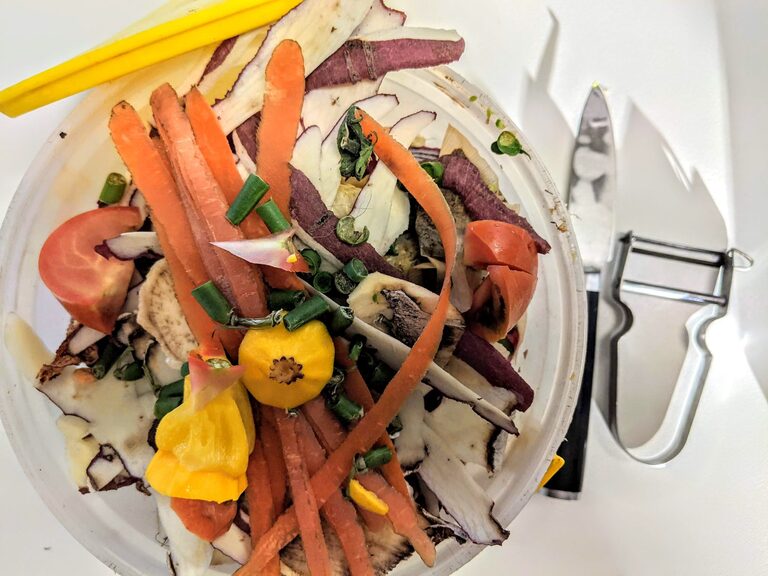
Reducing food waste at home is an achievable goal that benefits your wallet and the environment. By making a few thoughtful changes in how you shop, store, and prepare food, you can cut down on the amount that ends up in the trash. This post offers practical tips and strategies to help you reduce food waste efficiently and enjoy a more sustainable lifestyle.
Why Reducing Food Waste Matters
Food waste is a global problem with significant environmental and economic impacts. When food is thrown away, all the resources used to produce it—from water and energy to labor—go to waste. Additionally, decomposing food in landfills produces methane, a greenhouse gas that contributes to climate change. Reducing food waste at home helps conserve resources, lower greenhouse gas emissions, and save money.
Smart Shopping Habits
Plan Your Meals Ahead
One of the best ways to avoid food waste is to plan your meals for the week. Make a shopping list based on your meals and stick to it. This helps prevent buying unnecessary items that might spoil before use.
Shop with a List and Stick to It
Impulse buys often lead to food waste. When you shop with a list, you focus on what you actually need. It also saves time and reduces stress at the store.
Buy Only What You Need
Avoid bulk purchases unless you know you’ll consume the food before it spoils. Buying smaller quantities, especially of perishable items, can reduce the risk of food going bad.
Proper Food Storage
Understand How to Store Different Foods
Proper storage extends the life of your groceries. For example, keep leafy greens in perforated plastic bags in the refrigerator, and store potatoes in a cool, dark place away from onions.
Use Airtight Containers
Transferring leftovers or opened packages into airtight containers helps maintain freshness and prevents spoilage.
Organize Your Fridge and Pantry
Keep older items at the front and newer ones at the back. This makes it easier to use up foods before they expire.
Make Use of Leftovers
Repurpose Meals
Leftovers can be transformed into new dishes. For example, roasted vegetables can be added to salads or soups, and stale bread can become croutons or breadcrumbs.
Freeze Excess Food
If you have more food than you can eat in a few days, freeze it for later use. Most cooked meals, bread, and even certain fruits and vegetables freeze well.
Compost What You Can’t Eat
If food scraps are unavoidable, consider composting. Composting turns food waste into nutrient-rich soil for your garden, reducing landfill contributions.
Keep Track of Expiry Dates
Use a “First In, First Out” System
Rotate your pantry and refrigerator so that older items are used before newer purchases. This helps reduce spoilage due to expiration.
Understand Date Labels
“Best before” and “use by” dates are not the same. Many foods are safe to consume after the “best before” date, so use your judgment and senses to decide if the food is still good.
Manage Portions Wisely
Serve Smaller Amounts
Start with smaller food portions when serving meals. You can always go back for seconds, which reduces the chances of uneaten food being thrown away.
Adjust Cooking Quantities
Pay attention to how much food your household typically consumes and cook accordingly to minimize leftovers that might not get eaten.
Educate and Involve the Whole Family
Share Food Waste Goals
Involve family members in reducing food waste by explaining its benefits and encouraging everyone to participate.
Teach Kids About Food Waste
Engage children with simple activities like meal planning or composting. This builds awareness and good habits early on.
Additional Tips to Reduce Food Waste
– Use vegetable scraps to make homemade broth.
– Keep a bowl for fruits and veggies that are perfectly fine but might be less visually appealing.
– Buy imperfect or “ugly” produce often overlooked but still nutritious.
– Use apps designed to track food inventory and expiration dates.
Conclusion
Reducing food waste at home doesn’t require drastic changes. By planning meals, shopping thoughtfully, storing food properly, and creatively using leftovers, you can make a big difference. Not only will these habits help protect the environment, but they can also make your kitchen more efficient and save you money. Start with a few simple steps today and enjoy the benefits of a waste-conscious home.